Recommended Freshwater Fish for Beginners That Get Along
Discover beginner friendly freshwater fish that get along in a community tank, plus simple tips for stocking, tank size, and avoiding common pairing mistakes.

Selecting the right fish species for your aquarium involves understanding their individual needs, behaviors, and compatibility with other fish. Thousands of freshwater and saltwater species are available to hobbyists, each with unique characteristics and care requirements. Making informed choices creates a thriving community tank.
Freshwater fish remain the most popular choice for home aquariums due to easier maintenance and lower costs compared to marine setups. Tropical freshwater species like tetras, barbs, gouramis, and corydoras catfish offer stunning colors and interesting behaviors. Cold water species such as goldfish and white cloud mountain minnows thrive without heaters in appropriate temperature ranges.
Community fish are peaceful species that coexist well with other non aggressive tank mates. Good community fish include neon tetras, cherry barbs, mollies, and platies. These species occupy different water levels within the tank, with some preferring the surface, others the middle areas, and bottom dwellers like corydoras staying near the substrate.
Understanding fish compatibility prevents aggression and stress in your aquarium. Factors include adult size, temperament, water parameter preferences, and dietary needs. Mixing fast swimming active fish with slow moving long finned varieties often leads to fin nipping. Similarly, combining species that prefer different pH levels or temperatures creates challenges for maintaining optimal conditions.
Cichlids are a diverse family known for intelligence and personality but many species show territorial aggression. African cichlids from Lakes Malawi and Tanganyika need hard alkaline water, while South American species like angelfish and discus prefer soft acidic conditions. Learning about specific cichlid requirements helps prevent common mistakes.
Schooling fish like tetras, rasboras, and danios should be kept in groups of at least six individuals. These species feel more secure and display natural behaviors when surrounded by their own kind. Watching a school move together through planted aquascapes creates one of the most beautiful sights in the hobby.
Proper nutrition varies by species, with some fish being herbivores, others carnivores, and many omnivores. High quality flake or pellet foods provide basic nutrition, while frozen or live foods like bloodworms and brine shrimp offer variety and enhanced coloration. Feeding small amounts once or twice daily prevents overfeeding, which is a leading cause of poor water quality and fish health problems.
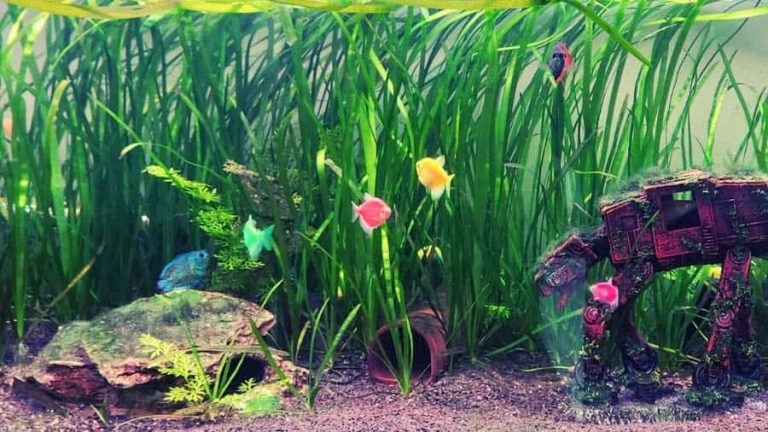
Discover beginner friendly freshwater fish that get along in a community tank, plus simple tips for stocking, tank size, and avoiding common pairing mistakes.

I will discuss the at-home live fish food options available to you, and how you can get started with your endless supply of healthy fish food.
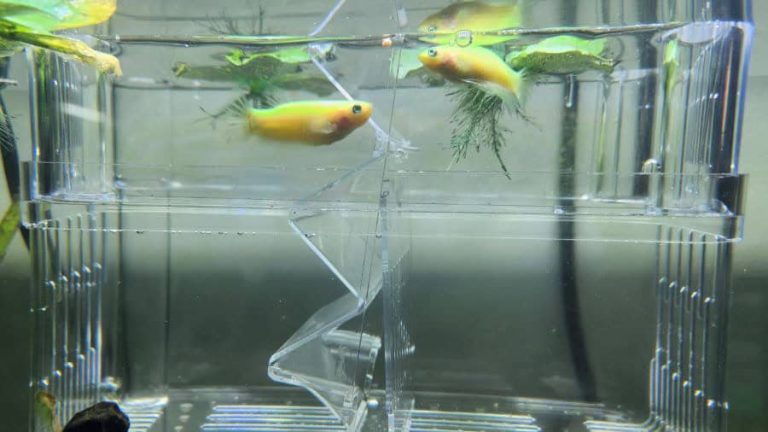
A quick way to sex a plakat betta using ventral fins, the beard when flaring, the egg spot, and a few behavior clues.
My safest picks for small betta tanks, plus what I avoid. Includes snails, shrimp, and the tank size checks that make or break compatibility.
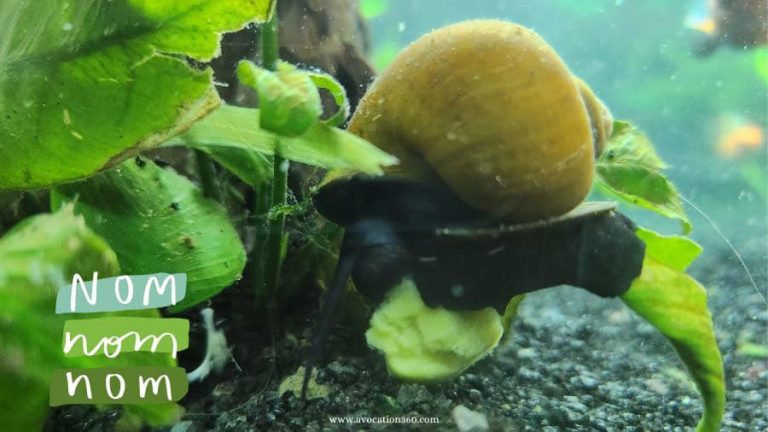
I make Snello to boost calcium and keep shells healthy. Here’s my simple veggie mix, how I get it to set properly, and how I cut and freeze cubes.

I keep fancy goldfish, so I’m careful with tank mates. Here’s what I’d add, what I’d skip, and why.
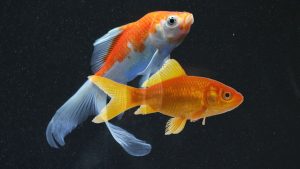
When I’m unsure, I check tail shape first, then fin length and body shape. Here’s the quick way I separate comets from commons.