
Easy Live Fish Foods You Can Culture at Home
Incorporating live fish food into your fish’s diet is a great way to keep your “fishies” happy and healthy, especially if you plan on breeding with them. You can start your endless supply of natural live fish food at home today and never worry about what to feed your fish when you run out of fishy food flakes.
Below, I will discuss easy live fish foods you can culture at home, all the options, and how you can get started with the possibilities of live fish food.
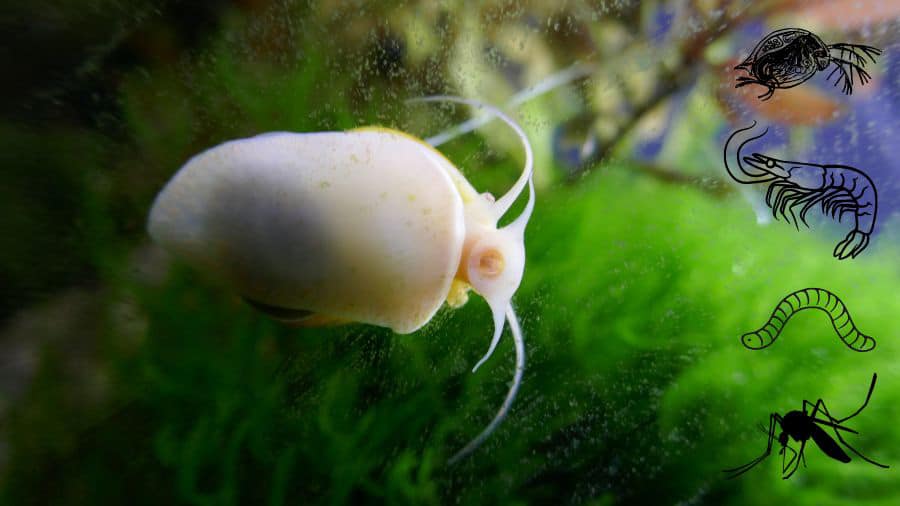
Before You Start: Basic Safety Tips
A few simple habits will keep your live foods safe for your fish.
- Avoid collecting anything from polluted water or places sprayed with pesticides.
- Rinse live food with clean dechlorinated water before feeding, especially if there is soil or debris.
- Feed small amounts and watch your fish finish the food within a few minutes so it does not rot.
- Never rely only on one food. Rotate live foods with a good quality dry food so your fish get a balanced diet.
Once those basics are in place, you can start setting up your cultures.
Worms
We fishkeepers are usually gardeners, too; a great way to have food for your fish and your plants is by having a worm farm or worm bin. Fish-favorite worms to keep would be the following:
Worms eat kitchen scraps and other organic materials at home. Do not add citrus, onions, or garlic scraps to your worm bin, as this will make it stinky. Also, ensure you use pesticide-free peels and rinse your worms before feeding them to your fish, especially if any soil is involved.
I usually cut my worms a little smaller for my smaller fish with scissors and freeze them for convenient storage and feeding.
Microworms, Banana worms, and Vinegar Eels live off bread, yeast, and sugar and are pretty easy to keep with no additional setups required, which is so convenient and effortless. I use this combination for my Betta fry as these worms are so small.
Compost Worms and Garden Worms
If you already enjoy gardening, a worm farm or worm bin is an easy way to feed both your plants and your fish.
Good choices include:
- Red wigglers or compost worms
- Small earthworms
- Bloodworms from safe, clean sources
They live in a box or bin filled with damp bedding such as coconut fiber, shredded cardboard, and a little soil. You feed them kitchen scraps and they convert that into worm castings and new worms.
Tips for a healthy worm bin:
- Avoid citrus, onions, garlic, and very spicy scraps as these can make the bin smell bad.
- Use pesticide free peels and vegetables.
- Keep the bedding moist but not soggy.
- Bury food scraps instead of leaving them on top.
When you harvest worms for your fish:
- Scoop a small clump of worms and bedding.
- Separate the worms from the bedding and rinse them well in dechlorinated water.
- For smaller fish, cut the worms into shorter pieces with scissors.
- You can feed them fresh or portion and freeze them for later use.
This sort of live food is best for larger community fish, cichlids, goldfish, and any fish that naturally eat insects and worms.
Microworms, Banana Worms, and Vinegar Eels
For tiny fry, you need very small live foods that can hang in the water column. Three easy cultures that many breeders keep are:
- Microworms
- Banana worms
- Vinegar eels
They are simple to keep and do not need air pumps or special tanks.
A typical microworm or banana worm culture uses:
- A shallow container with a lid
- A base such as cooked oats or bread paste
- A small pinch of yeast
- A starter culture of worms
You spread the food paste in the container, add the starter worms on top, and cover with a loose lid. Within a few days the surface will be full of tiny moving worms. You can wipe them off the sides with a cotton swab or finger and swish them into the fry tank.
Vinegar eels live in a mix of apple cider vinegar and water with a piece of apple. They are tiny and stay in the water column longer, which is perfect for fry that feed near the surface.
These small worms are excellent for betta fry, livebearer fry, and other small baby fish in their first weeks.
Mosquito Larvae
Mosquito larvae are a favorite live food for many freshwater fish. They are rich in protein and very close to what fish would eat in the wild. They also tend to trigger strong feeding and breeding behavior.
If you have tubs, buckets, or a pond outdoors, you may already see mosquito larvae wriggling just below the surface. To use them safely:
- Only use containers that do not have any soap, chemicals, or fertilizers.
- Check local rules about raising mosquito larvae, as some places have restrictions.
- Do not let them mature into adult mosquitoes. Harvest them when they are still larvae.
To collect them, scoop the larvae with a fine net or cup and pour them through a net into a container of clean water. Rinse once, then feed immediately to your fish.
Many fish, including bettas, gouramis, barbs, tetras, and goldfish, will eagerly eat mosquito larvae as a treat.
Aquarium Snails
Aquarium snails can be both a clean up crew and a live food source.
Species that often reproduce quickly include:
- Bladder snails
- Ramshorn snails
Some loaches, puffers, and other snail eating species love to crunch snails. Goldfish and some cichlids also enjoy them.
The safest way to use snails as food is to set up a separate snail breeding tank:
- Fill a small tank or tub with dechlorinated water and a sponge filter.
- Add a handful of starter snails.
- Feed them algae wafers, blanched vegetables, and leftover fish food.
- Give them hiding places such as plants, rocks, or pieces of decor.
Within a short time, you will have plenty of snails. You can then move a few at a time to your main tank as a live snack and snail control method.
Keeping the snail farm separate helps avoid snail overpopulation in your main display tank and lets you control how many your fish receive.
Daphnia
Daphnia, often called water fleas, are tiny crustaceans that many fish love. They are especially useful for:
- Conditioning adult fish before breeding
- Helping fish that have eaten too much, as they are a natural source of roughage
Carnivorous and omnivorous fish enjoy them, but they are not ideal for strict herbivores, which may bloat if they get too many.
To culture daphnia you usually need:
- A separate tub, bucket, or small tank
- A gentle air stone
- Green water or a food such as yeast or spirulina powder
- A starter culture of daphnia
Daphnia prefer stable water conditions, good oxygen, and a steady but not heavy food supply. Too much food can crash the culture, so it is better to feed lightly and watch the water.
Once your tub is full of daphnia, you harvest them with a fine net, rinse gently, and feed immediately.
Brine Shrimp
Brine shrimp are one of the most popular live foods for both fry and adult fish. You can hatch them from eggs and feed them as newly hatched babies or grow them to adults.
Newly hatched brine shrimp, often called baby brine, are ideal for:
- Fry that have outgrown infusoria and tiny worms
- Small community fish that hunt in the water column
To hatch brine shrimp eggs you need:
- A bottle or cone shaped container
- Salted water
- An air pump with an air stone
- Brine shrimp eggs
- A light source
You mix the salt water, add eggs, and keep the air stone running so the eggs stay in motion. Within about one day the eggs hatch. Then you turn off the air, let the empty shells float, and siphon the orange cloud of shrimp from lower in the container through a fine net.
You can feed them right away or keep some in the fridge for a short time.
If you want to grow brine shrimp to adult size, place them in a larger container with salt water and gentle aeration, and feed them a fine powdered food such as spirulina powder. Given a bit of time, they will grow and even reproduce, giving you a continuous live food source.
How Often To Feed Live Foods
Live foods are powerful, so they work best as part of a mixed diet.
For most community tanks:
- Offer live foods two or three times per week.
- Use dry flakes or pellets for the other meals.
- Watch your fish and reduce live food if you see any bloating or water quality issues.
For breeding projects, you can feed live food more often while conditioning the parents, then reduce once spawning is over.
A Simple Starter Plan
If this all feels like a lot, start small and build up.
For example:
- For a betta or small community tank, keep a microworm or banana worm culture plus a small brine shrimp hatchery.
- For goldfish or larger fish, keep a worm bin and a snail breeding tub.
- If you have safe outdoor tubs, collect mosquito larvae in warm months and use them as an occasional treat.
Once you have one or two cultures running, you will see how simple it is to keep your own live foods going. Your fish will reward you with better color, stronger growth, and more natural behavior, all from a few easy cultures at home.
