My Mystery Snail Laid Eggs: What Do I Do?
If your Mystery or Apple Snail laid eggs and you don’t know what to do. Here is a detailed breakdown to answer all your questions.

Breeding aquarium fish at home offers rewarding experiences and deeper understanding of aquatic life cycles. Many species readily reproduce in captivity when provided proper conditions, nutrition, and environment. Success requires knowledge of species specific behaviors and careful preparation.
Most fish fall into two main reproductive categories: egg layers and live bearers. Live bearing fish like guppies, mollies, and platies give birth to free swimming young, making them excellent choices for beginners. Egg laying species require different approaches depending on whether they’re egg scatterers, substrate spawners, or mouth brooders.
Creating the right breeding environment often means setting up a separate breeding tank. This dedicated space allows you to control water parameters precisely and protect eggs or fry from being eaten by adult fish. Breeding tanks typically range from 5 to 20 gallons depending on the species size and parenting behavior.
Water conditions trigger spawning in many species. Slight temperature increases, pH adjustments, or increased water changes can simulate rainy season conditions that naturally prompt breeding. Providing protein rich foods like brine shrimp, bloodworms, and daphnia helps condition breeding pairs and ensures females produce healthy eggs.
Different species display unique breeding behaviors. Some cichlids are devoted parents that guard their young, while many tetras and rasboras scatter eggs with no parental care. Understanding these behaviors helps you protect eggs and fry appropriately. Spawning mops, marble substrates, and dense plants give eggs places to land safely away from hungry adults.
Raising fry requires special attention to feeding and water quality. Newly hatched fish need microscopic foods like infusoria or commercial fry food before graduating to baby brine shrimp. Frequent small water changes maintain quality without creating strong currents that exhaust tiny fish. As fry grow, gradual increases in food size and tank space support healthy development.
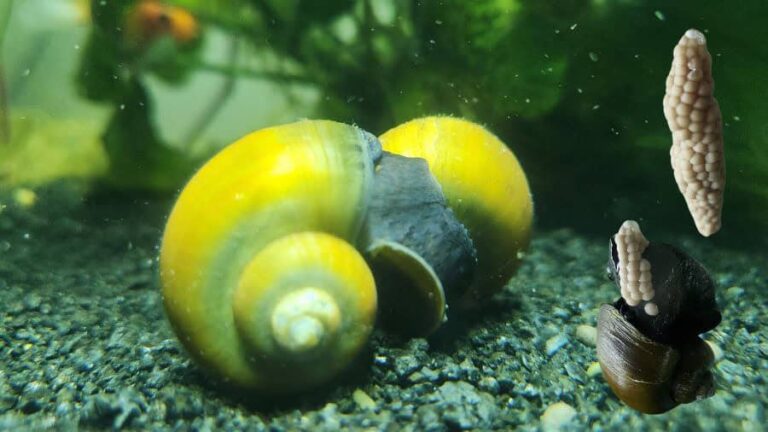
If your Mystery or Apple Snail laid eggs and you don’t know what to do. Here is a detailed breakdown to answer all your questions.

If you have unexpectedly ended up with eggs in your tank like me, I cover what I did to get the GloBetta fry hatched and safely on their way.
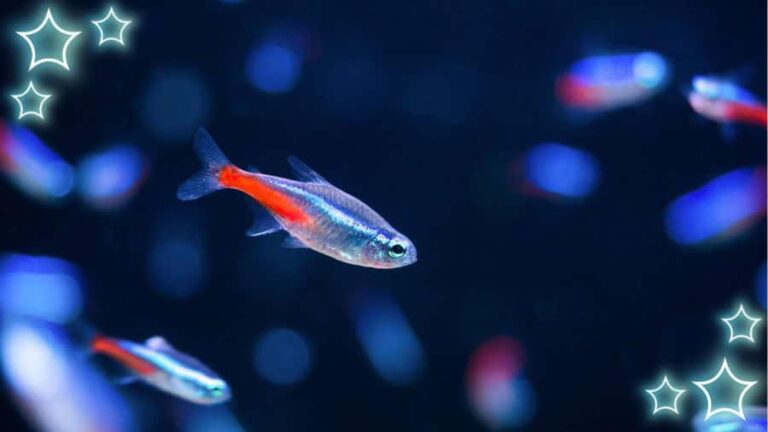
This is the routine I use: choosing pairs, keeping it dark, spotting fertilized eggs, then the day by day fry feeding plan from egg yolk to brine shrimp.
I use a yarn spawning mop because it makes eggs easier to spot and move, it is reusable, and it keeps the breeding setup simple.

I show the exact yarn mop I use for goldfish eggs: what yarn to buy, how many wraps, how to add a cork or suction cups, and how I boil it first.
My simple goldfish breeding routine: set the temp, pick a pair, use a spawning mop or moss, move parents fast, treat eggs, then feed and grow fry.
Here I will discuss what Black Moor and Fantail mixed babies would look like after four months. The troubles I faced, photos and their characteristics.
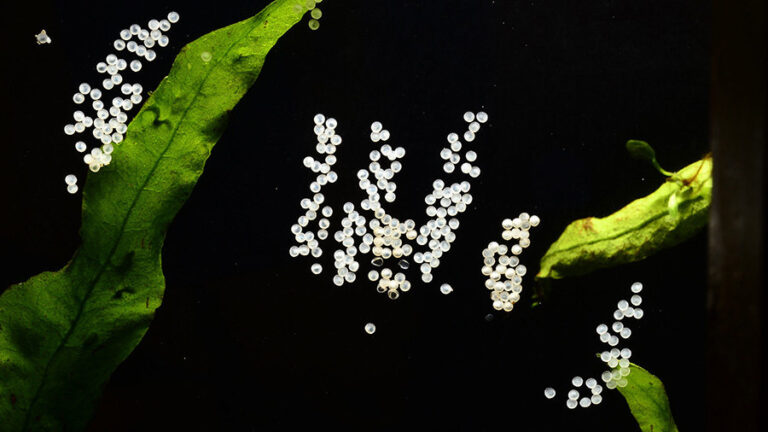
If you’ve just spotted eggs, here’s what I do to stop them being eaten, keep good flow over the eggs, remove the white ones, and prep for fry.