Aquarium Care·
How Many Fish in a Small Tank? Simple Stocking Checks
Make a safer small-aquarium stocking choice using adult size, swimming room, group needs, behavior, waste, filtration, and water tests.

Fish breeding and aquarium guides should help you solve the problem in front of your tank. Linda shares the practical steps she uses at home, from protecting eggs and feeding fry to choosing tank mates and keeping water steady.
Choose a topic below, or search all 18 guides. Meet Linda and see her aquarium experience.
Try another word, or reset the filters.
Make a safer small-aquarium stocking choice using adult size, swimming room, group needs, behavior, waste, filtration, and water tests.
Start a separate green-water culture with dechlorinated water, steady light, gentle aeration, and measured nutrients, then harvest it safely for fry.

Learn how to grow beneficial aquarium bacteria in a filter, seed it naturally, choose a starter, test the cycle, and avoid unsafe homemade shortcuts.
Build and maintain a separate recirculating Tubifex culture, feed it lightly, harvest cleanly, and reduce the risk of transferring pathogens to fish.
A clear checklist to tell male vs female plakat bettas using ventral fins, the beard when flaring, the egg spot, and a few behavior clues.
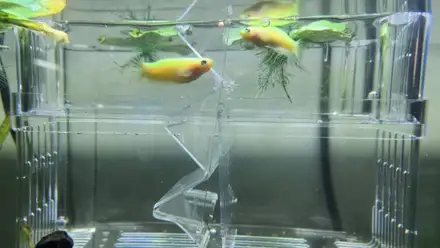
Plan a mature, stable shrimp aquarium with gentle filtration, tested species-specific water, safe cover, natural grazing surfaces, and careful acclimation.
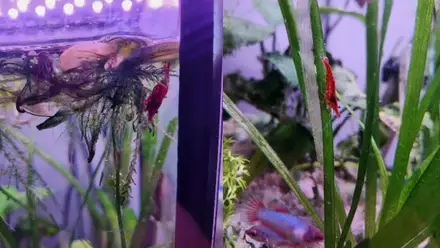
See when one Betta should live alone, when a snail or shrimp may work, and why schooling fish and social bottom dwellers need a larger aquarium.
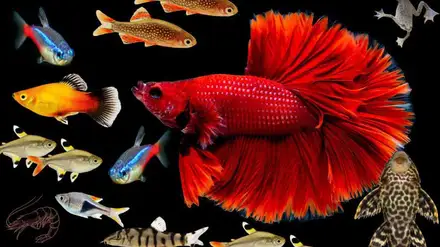
I make Snello as a soft supplemental food for aquarium snails. Here is a simple vegetable mix, safe ingredient guidance, and clear freezing and feeding steps.
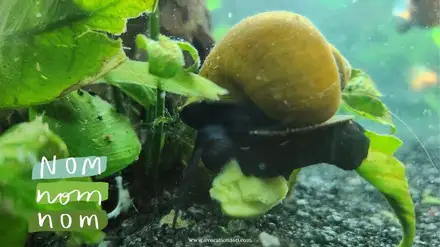
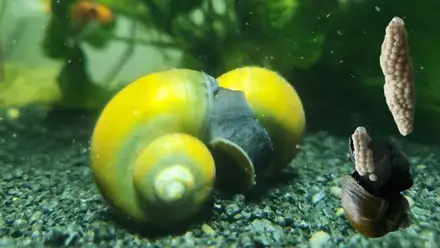
Decide whether to hatch or remove a Mystery Snail egg clutch, then manage humidity, incubation, hatchlings, and the number of snails you can keep.
Use these first steps after an accidental Betta spawn to separate the adults, protect the fry, prepare tiny foods, and keep the water stable.
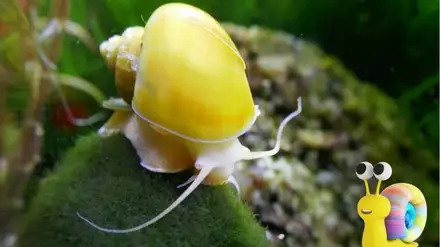
Compare beginner freshwater snails by breeding, plant safety, adult size, food, and compatibility, with an important warning about regulated apple snails.
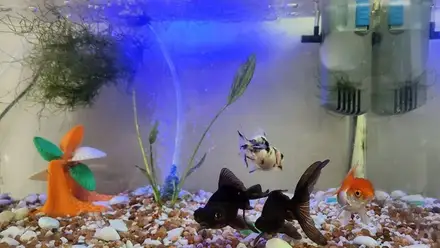
See why goldfish with the same body and tail type are the safest match, which popular companions I would skip, and how to introduce livestock carefully.
Prepare mature adults, soft acidic water, a clean spawning container, gentle egg care, and food small enough for newly free-swimming fry.
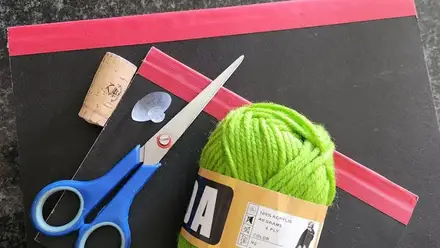
Build a smooth acrylic-yarn mop for sticky goldfish eggs, using tight knots, an aquarium-safe attachment, and a safe rinse and soak before use.
Compare fine sand, smooth gravel, bare-bottom tanks, and larger stones by mouth safety, cleaning effort, plant support, and foraging behavior.
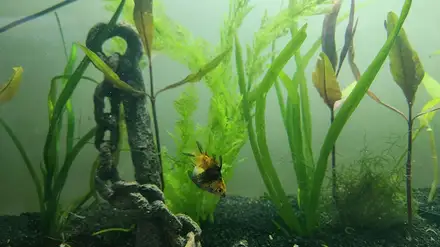
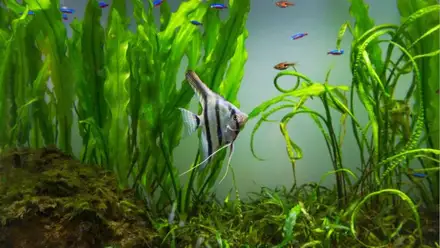
Set up a stable planted aquarium with safe substrate and hardscape, healthy plants, treated water, a modest light schedule, and a cycled biofilter.
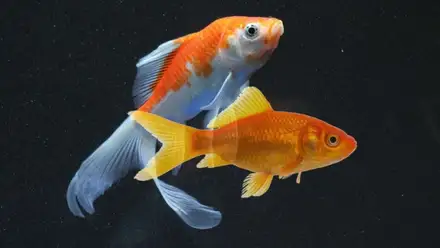
When I’m unsure, I check tail shape first, then fin length and body shape. Here’s the quick way I separate comets from commons.
Identify the species, learn whether the parents guard or eat eggs, prepare a cycled nursery, and have food ready for newly free-swimming fry.