
Comet vs Common Goldfish: Differences and Care
When I’m unsure, I check tail shape first, then fin length and body shape. Here’s the quick way I separate comets from commons.
Comet goldfish usually have a longer, more deeply forked tail than common goldfish. Both are active, single-tailed goldfish that need generous swimming room.
The RSPCA fish compatibility guide groups slim-bodied, single-tailed goldfish as faster swimmers than fancy twin-tailed varieties. Use the checks below to separate comets from commons, then plan care for a large, active adult rather than the small fish sold in stores.
Comet And Common Goldfish At A Glance
- Comet: Longer fins, a deeper fork in the tail, and a slender outline.
- Common: Shorter fins, a less dramatic tail fork, and a sturdier outline.
- Both: Fast single-tailed swimmers that can outcompete slow fancy goldfish for food.
- Care: Plan for adult size, strong filtration, clean water, and plenty of horizontal swimming space.
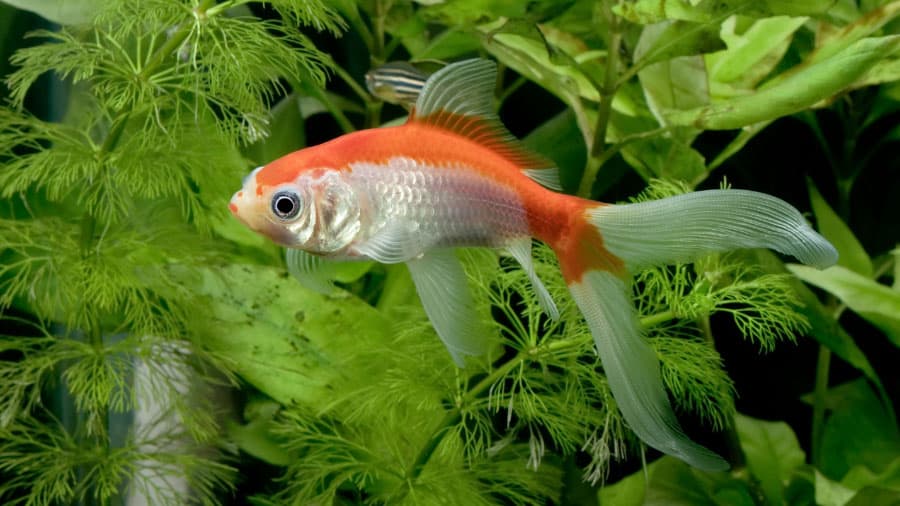
Fins And Tails
Common goldfish have shorter fins and tails that appear more rounded.
Comet goldfish have longer flowing tails and fins that appear pointier than the common goldfish.
When these two fish are younger, they are easier to tell apart as the comet goldfish will have a longer, slimmer body and a deeper forked tail.
Color And Size Differences
Color is not a reliable way to separate the two. Comets and commons can be orange, red, white, yellow, brown, or mixed, and young goldfish may change as they grow.
Look at several traits together. Comets tend to look more streamlined because their fins and deeply forked tail are longer. Commons have shorter fins and a less dramatic tail fork.
Breeding
Both common and comet goldfish are sold as feeder fish or at carnivals as prizes, and unfortunately, little attention is paid to their breeding standards. Feeder fish are usually smaller kinds that aren’t expensive and, as their name suggests, become food for other fish or aquatic animals.
Both varieties are egg scatterers. Spawning depends on maturity, health, nutrition, season, water, and other conditions, so age alone cannot predict it.
Once spawning starts, protect the female from an exhausting chase and move eggs only to a prepared cycled nursery. Mature males may develop small white breeding tubercles on the gill covers and the leading edge of the pectoral fins, but white spots elsewhere can also be a health problem.
A female carrying eggs may look fuller from above, but body shape alone is not a foolproof sex check. Use several signs and do not squeeze the abdomen to test for eggs or milt.
Habitat And Lifespan
Both varieties can become large, active adults and live for many years with good care. A tiny starter aquarium that suits a juvenile will not be a permanent home.
Plan a long aquarium or secure pond with strong filtration, stable water, and enough open swimming space for the full adult size. Pond depth, shade, predators, local weather, and winter care also matter outdoors.
Both are eager feeders. Spread food across more than one area when needed, then confirm that every fish eats and remove leftovers.
That stronger feeding response is also one reason comets are poor tank mates for fancy goldfish.
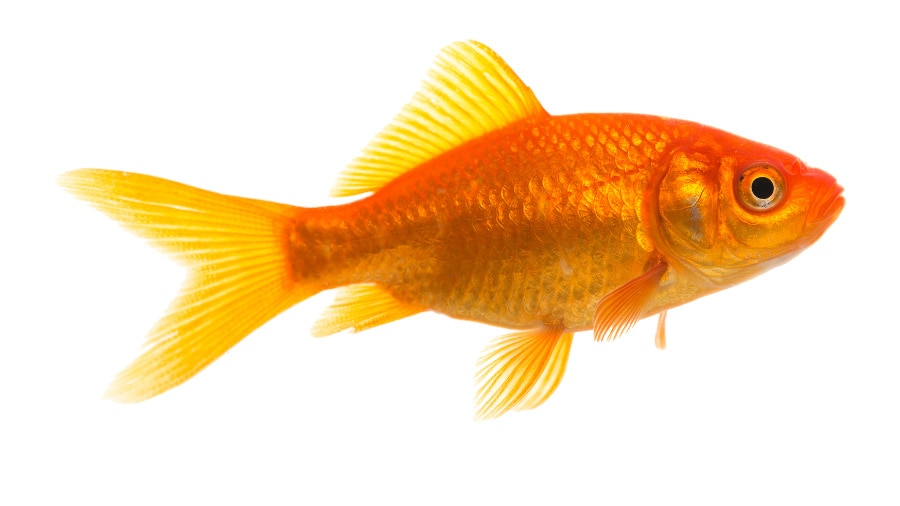
Feeding Habits
Goldfish pellets and flakes are great as the staple diet for the comet and the common. Keeping your fish in a pond is even better, as they can supplement their diet with natural algae and plants in their habitat.
You can also add occasional species-appropriate foods such as thawed brine shrimp or bloodworms. Use them as part of a varied diet, not the staple.
Adding plants that they love to nibble on to your tank for the comets or common goldfish would be a great idea to help them with their dietary needs. Please make sure to leave enough room for these agile swimmers. Duckweed would be a great option to add to your pond or tank.
Conclusion
Although comets and common goldfish have many similarities, there are key physical distinctions that can help you differentiate between the two.
They can be rewarding fish, but their adult size, waste, and swimming needs make them a serious long-term commitment. Choose the fish only after you can provide the space, filtration, water care, and lifespan it needs.
Tank And Pond Space For An Adult
Plan housing for a large, fast adult, not the small fish in the bag. A long tank or a secure pond gives the horizontal swimming room these single-tailed fish use all day.
Strong filtration and regular water tests matter because both types produce a lot of waste. Merck Veterinary Manual housing pages tie carrying capacity to water quality, filtration, and available area.
Keep comets with other slim, single-tailed goldfish when you want similar speed at feeding time. Slow fancy goldfish often lose food and rest space in that mix.
Telling Young Fish Apart Over Time
Young fish can look similar until the tail and body finish growing. Recheck the fork depth, fin length, and overall outline as the fish gains size.
Color can shift, so do not use color as the main ID. If you bought a mixed feeder group, sort by swimming style and tail shape before you mix them with slower goldfish.

Home fish breeder sharing practical aquarium, egg-care, and fry-raising methods.
Related guides
Goldfish Tank Mates
See why goldfish with the same body and tail type are the safest match, which popular companions I would skip, and how to introduce livestock carefully.
Best Substrate for Goldfish: Safer Tank Options
Compare fine sand, smooth gravel, bare-bottom tanks, and larger stones by mouth safety, cleaning effort, plant support, and foraging behavior.
How Many Fish in a Small Tank? Simple Stocking Checks
Make a safer small-aquarium stocking choice using adult size, swimming room, group needs, behavior, waste, filtration, and water tests.