
Mystery Snail Laid Eggs: What to Do
Decide whether to hatch or remove a Mystery Snail egg clutch, then manage humidity, incubation, hatchlings, and the number of snails you can keep.
Mystery snail laid eggs: what to do first is leave the clutch above water and confirm the adult is a Mystery Snail, usually sold as Pomacea diffusa. A clutch is the cluster of eggs she sticks to the glass, lid, or another dry surface. Other apple-snail species can produce very different clutches and may be regulated where you live.
The USGS profile for Pomacea diffusa describes clutches laid above the waterline and notes that a clutch can contain hundreds of eggs. Decide whether you can house or rehome that many snails before trying to hatch it.
Decide Before You Incubate The Clutch
- Identify the snail. Do not use Mystery Snail advice for an unknown apple-snail species.
- Choose whether to hatch it. Leave it in place, move it to a humid incubator, or remove it if you cannot keep the hatchlings.
- Keep it above water. The clutch needs humid air, not submersion or direct misting that leaves it wet.
- Prepare before hatching. Set up cycled water, safe food, gentle filtration, and a realistic plan for extra snails.
- Let the hatchlings emerge. Do not break apart or rub a clutch to force snails out.
Snail Eggs Care
Snail eggs care for a Mystery Snail clutch is about humid air, not wet eggs. Leave a fresh clutch untouched until the outer surface hardens, usually after about a day. After that, you can leave it in place under a snug lid or move it to a humid incubator that keeps the clutch dry.
Keep a few inches of air above the water so the female can climb out and so the clutch stays out of the water. Open the lid only as needed. Wipe drips from the lid before they land on the eggs. Do not mist the clutch until it shines or beads with water.
The U.S. Fish and Wildlife risk summary for Pomacea diffusa notes that females lay pale pink to reddish eggs above the water on plants or hard surfaces, and that a clutch can hold a few hundred eggs. Plan housing before you try to hatch snail baby eggs.
Mystery Snail Eggs Versus Other Water Snail Eggs
Mystery snail eggs sit above the waterline in a firm, bumpy cluster. That is the usual look of apple-snail eggs, including the Mystery Snail sold for aquariums. If you see a clear or jelly mass on plants, glass, or decor under the water, you are looking at a different snail, often a Ramshorn, Bladder, or Pond Snail.
Do not treat in-water jelly eggs like a Mystery Snail clutch. Those eggs already sit in the aquarium and do not need a humid incubator. If you do not want more of those snails, remove the mass while it is still attached, reduce leftover food, and do not dump snails or eggs outdoors.
Gold Mystery Snail Eggs
Gold mystery snail eggs need the same care as any other Mystery Snail clutch. Gold describes the adult shell and body color, not the eggs. The clutch is still pale, pink, cream, or salmon at first, then it may darken as it develops.
A gold adult can still produce a large clutch. Color does not change humidity, hatching time, or the number of homes you will need. Identify the species first, then follow the same hatch-or-remove choice.
When A Mystery Snail Is Laying Eggs
Snail laying eggs above the water can take a long time. The female climbs the glass or lid, often at night, and stays in place while she builds the clutch. Leave her alone. Do not knock her back into the water or scrape a clutch that is still soft and wet.
If she cannot reach a dry surface, she cannot finish a normal clutch. Keep the water a little below the rim. After she returns to the water, wait for the clutch to harden before you touch it.
What To Avoid With Snail Eggs In The Tank
Do not push a Mystery Snail egg clutch under the water to keep it wet. Embryos in that clutch develop in air and can die if they stay submerged. Do not peel, crush, or rub the casing to hurry snail baby eggs out.
Do not release extra snails or leftover clutches into a pond, drain, or natural waterway. If you discard a clutch, wait until it has hardened, then bag it for household trash after it can no longer hatch. Check local rules first, because some apple-snail species are regulated.
What Should I Do First?
Option 1: Leave the egg cluster where it is. This can work when the clutch is secure, remains above the water, and the covered tank keeps the surrounding air humid. Do not spray the clutch until it is wet.
Option 2: Remove the egg cluster and make a DIY incubator. Move it only after the outer surface has hardened enough to lift without crushing. A simple container can hold humid air while keeping the clutch dry and above water.
Option 3: Remove and discard the egg cluster. Choose this when you cannot provide enough cycled space, food, or homes for the hatchlings. Check local rules before giving away or selling any apple-snail species.
How Long Until Hatching?
Incubation changes with species, temperature, and humidity. A controlled study of Pomacea bridgesii recorded development over 15 to 24 days at 23°C / 73°F. Treat that as a reference range, not a guaranteed hatch date for every clutch.
Do not promise a fixed number of babies or survival rate. Clutch size, fertility, hatching, and early survival vary with the species and conditions. Prepare for more hatchlings than you expect.
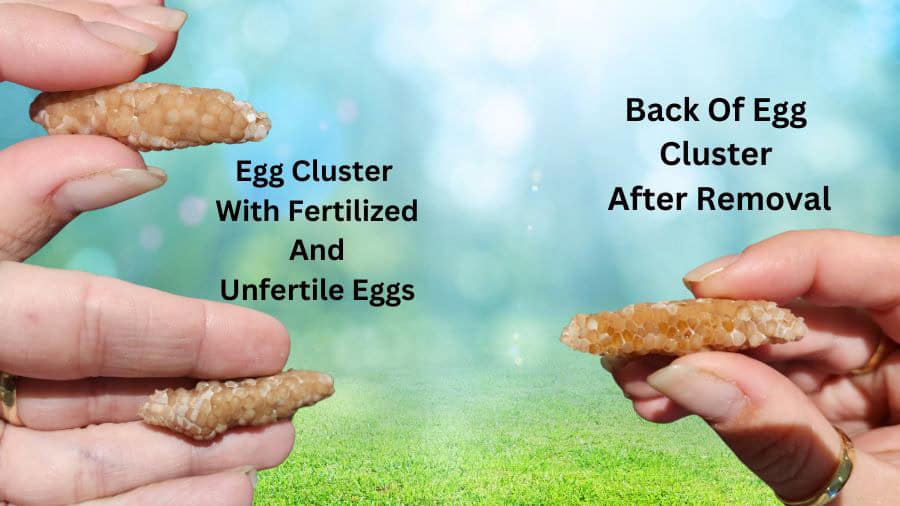
How Can I Tell If They Are Fertile?
When your female snail lays her eggs, she will do so either in the lid of your tank or above the waterline of the tank. If they are freshly laid, you will see how soft they are. The eggs will start to harden after a day or two, and within a few days, you will be able to see some of them change color.
Color alone cannot confirm every egg. A clutch that stays dry, collapses, smells bad, or grows obvious fuzzy mold is unlikely to be developing normally. A fertile clutch often darkens and becomes uneven as hatching approaches.
Can They Reproduce Without Mating?
If you recently bought a snail or two and suddenly have an egg cluster without seeing any mating in your tank, this could be the reason.
A female can store sperm after mating and may lay more than one fertile clutch later. This can make a newly purchased snail appear to reproduce without a male in the current tank, but fertilization still came from an earlier mating.
Just know that female snails can also lay unfertilized eggs, so technically, they can lay eggs without mating; they just won’t be fertilized.
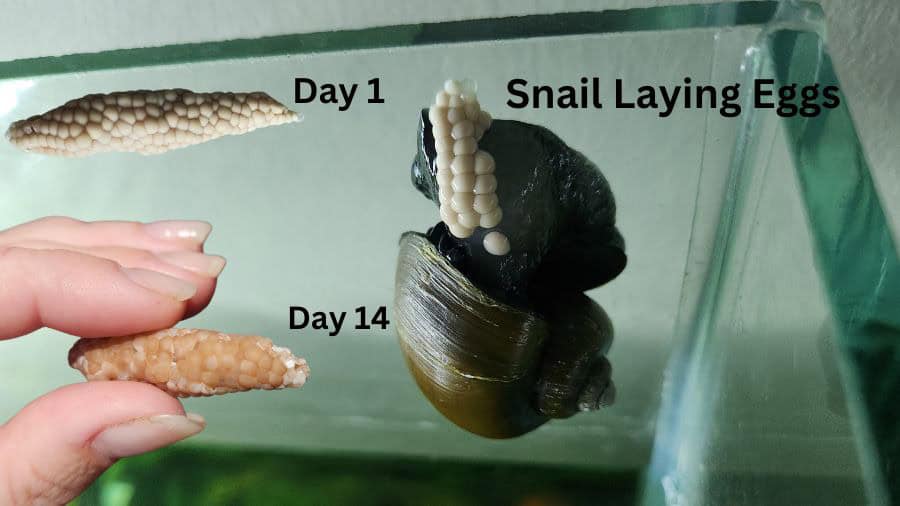
How To Hatch A Clutch
As mentioned in option 1, if you have a lid on your tank, you can leave the cluster of eggs where they are and ensure they don’t get wet or submerged in water.
If you want to build a DIY Mystery Snail Egg incubator, you will need the following items:
- Tupperware container with a lid that snaps on or seals well (you will need to make holes in the lid)
- Paper towel sheets (about four sheets)
The first step is to make tiny holes in the Tupperware container lid right along the edge of the lid. Next, you will need two paper towel sheets that you will wet with the tank water. The sheets have to be wet but not dripping wet.
The wet paper towel sheets will provide the necessary humidity in the container. You can fold the two wet sheets to fit into your container’s bottom. Now, you take your two dry paper towel sheets and fold them to fit your container.
The dry paper towels will be the barrier on which you will place your snail egg clusters so they can remain dry at all times. Now, you can remove the egg clusters from your tank lid or glass by using your fingers and gently wiggling the sides of it to encourage them to release.
You might squash an egg or two, but it definitely did less damage than when I tried to use a scraper to lift it from the glass. Ensure you wait at least a day before attempting to remove the egg cluster, as it needs to be hardened by the time you remove it.
Open the container briefly each day for fresh air and wipe condensation from the lid before it can drip onto the clutch. Keep the incubator at a stable temperature away from direct light. If it floats in the aquarium, secure it so tank water cannot splash or flood the eggs.
As the hatch approaches, the clutch often darkens, softens, and develops small openings. Leave it alone and let the hatchlings emerge on their own.
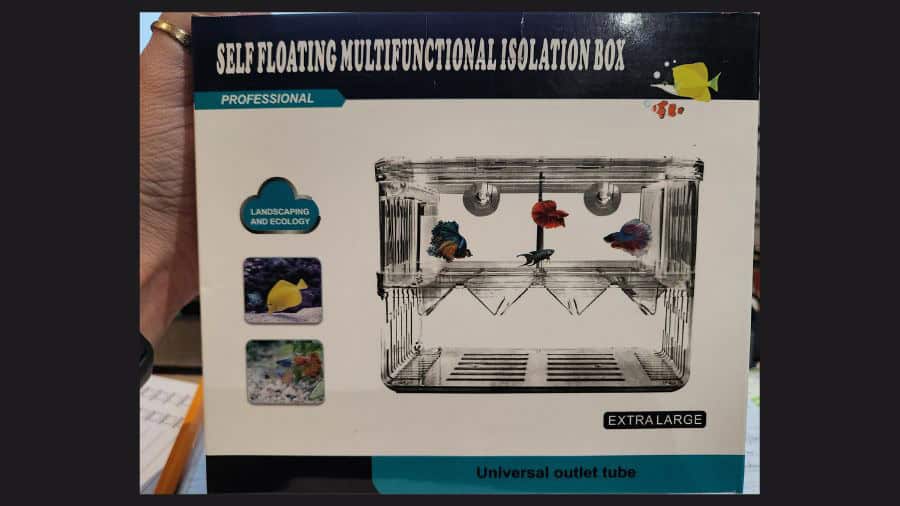
Breeding Box Or Nursery Tank
Prepare a cycled nursery or protected breeder box before the clutch hatches. Separation makes food easier to reach and protects small snails from fish.
Match the stable temperature and water chemistry used by the adult snails. Test ammonia and nitrite, provide gentle water movement, and check pH, GH, and KH instead of using one pH number for every setup.
An isolation box can share the established aquarium water, but it still needs enough flow to prevent waste from collecting. Check that openings cannot trap or release tiny hatchlings.
Move juveniles into a community tank only when they are large enough not to fit into the mouth of any tank mate and can compete for food.
This matters even more in goldfish tanks, where anything small enough to swallow can become a snack.
Use a turkey baster to remove uneaten food and waste whenever it appears. Check the waste before discarding it because very small snails can be pulled up with it.
Remove dead snails promptly and test the water if losses increase.
What Do I Feed The Babies?
Once the hatchlings are in cycled nursery water, offer a tiny amount of food they can reach and remove leftovers before they spoil. Do not rub, crush, or submerge the clutch to force out late hatchlings.
Suitable foods for baby Mystery Snails include:
- A complete sinking shrimp or snail food, crushed into small pieces
- Snello (Homemade)
- Algae/Spirulina wafers
- Soft unseasoned green vegetables
- Crushed Sinking Fish Pellets
- Crushed Fish Flakes
What Do I Do With All The Babies?
If you have noticed that you have too many snails and won’t be able to take care of all of them, you can always post on local aquatic/fish groups; maybe someone would like to trade colors or something else that you might need. This would help you find homes for the babies quickly.
The cool thing about Mystery snails and their color is that you can have a golden snail and a purple snail mate, and their babies will come out a different color. I think that it is so exciting to see how the babies look like with these color matches.
Another option is to talk to your local fish store and find out if they wouldn’t like to buy snails from you. You can either ask for store credit or get some cash; either way, it will help you buy your next food supply for your aquarium at home.
When talking to your local fish shop, you can also make sure of the size they would like to take some babies from you; most stores prefer the size of a pea (roughly).

Home fish breeder sharing practical aquarium, egg-care, and fry-raising methods.
Related guides
Types of Freshwater Aquarium Snails
Compare beginner freshwater snails by breeding, plant safety, adult size, food, and compatibility, with an important warning about regulated apple snails.
Shrimp Tank Setup Essentials for Beginners
Plan a mature, stable shrimp aquarium with gentle filtration, tested species-specific water, safe cover, natural grazing surfaces, and careful acclimation.
How to Make a Snello Recipe
I make Snello as a soft supplemental food for aquarium snails. Here is a simple vegetable mix, safe ingredient guidance, and clear freezing and feeding steps.