
Types of Freshwater Aquarium Snails
Compare beginner freshwater snails by breeding, plant safety, adult size, food, and compatibility, with an important warning about regulated apple snails.
Types of freshwater aquarium snails differ in adult size, breeding, diet, and the amount of waste they add. Mystery and Nerite snails are often easier populations to control, while Ramshorn, Bladder, Pond, and Malaysian Trumpet Snails can multiply quickly when food is plentiful.
Identify the exact species before buying. Common names such as “apple snail” can cover very different animals. The USDA regulates many apple snails in the United States, while Pomacea diffusa, the species commonly sold as a Mystery Snail, is the main listed exception for interstate movement without a permit. Other countries and local areas have their own rules.
Freshwater Snail Choices At A Glance
- Mystery Snail: Large, colorful, and easier to control because clutches are laid above water where you can remove them.
- Nerite Snail: A strong algae grazer whose eggs do not complete development in an ordinary freshwater aquarium.
- Ramshorn, Bladder, and Pond Snails: Small grazers that can multiply quickly when excess food is available.
- Malaysian Trumpet Snail: A burrowing livebearer that can form a large hidden population.
- Assassin Snail: A predator that may eat other snails and is not a peaceful addition to a mixed snail tank.
- Rabbit Snail: A larger warm-water snail that needs species-specific research and may eat soft plants.
Best Aquarium Snails For Beginners
Best aquarium snails for a first tank are species whose numbers you can control. A Mystery Snail lays a clutch you can see and remove. A Nerite Snail grazes algae, and its eggs do not become babies in ordinary freshwater. Both still need their own food, minerals that match the species, and copper-free water.
Skip unidentified apple snails, Assassin Snails in a mixed snail tank, and any snail sold only as a cleanup tool. Freshwater snails are animals with diets and waste, not filters. If you want one or two large snails, start with a correctly named Mystery Snail. If you want a small algae grazer without a freshwater baby boom, start with a Nerite.
Small Snails For A Fish Tank
Small snails for a fish tank often arrive on plants. Ramshorn, Bladder, Pond, and Malaysian Trumpet Snails stay modest in size, but they can cover glass and substrate when leftover food is easy to find. A few grazers can be useful. A sudden carpet of shells usually means overfeeding, dying plants, or both.
Do not add these water snails as a planned colony unless you accept live young. Do not use a predator fish as your only control method. Feed less, siphon waste, and move extras only to other aquariums. Never dump freshwater snails into a drain, pond, or creek.
Choosing Freshwater Snails For A Community Tank
An aquarium snail has to match the fish, the plants, and the medicines you might use. Large mouths, digging goldfish, puffers, and many loaches can injure or eat snails. Copper treatments used for ich or parasites can kill invertebrates even at doses labeled for fish.
Pick one species on purpose. Confirm the scientific name, adult size, and local rules before you buy. Then stock slowly so you can see whether the snail reaches food and whether the fish leave it alone.
Mystery Snails
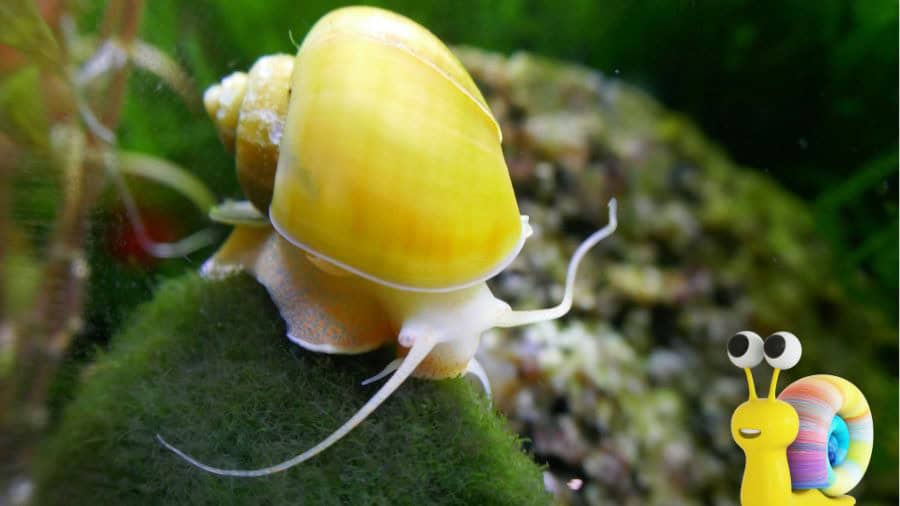
Mystery Snails, usually sold as Pomacea diffusa, come in several shell and body colors. They are large enough to create a noticeable waste load and need their own food rather than surviving on leftovers.
A male and female are needed for fertile eggs, but a female may store sperm and lay several clutches after mating. The clutch appears above the waterline. You can choose whether to incubate or remove it using the Mystery Snail egg guide.
Some people consider them as goldfish tank mates, but goldfish may nip their tentacles or steal their food. Watch closely and keep another cycled home ready.
Nerite Snails
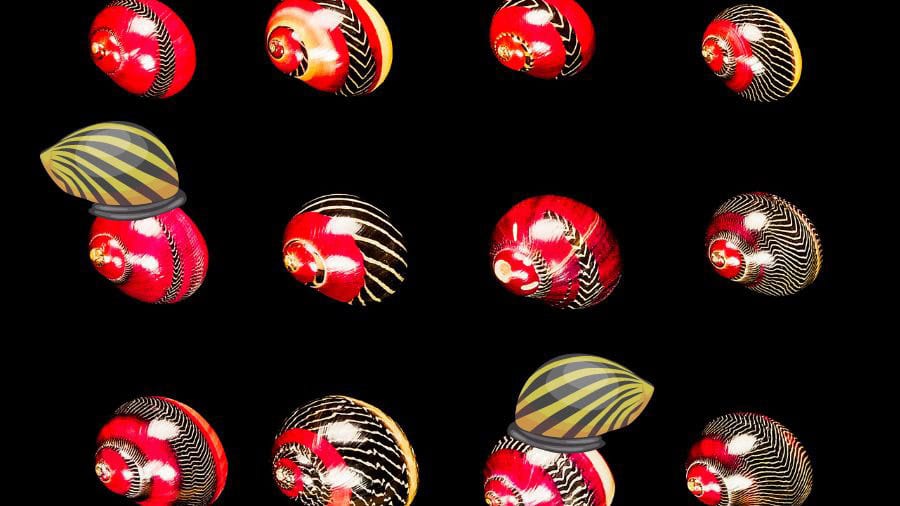
Nerite Snails are useful algae grazers, but they are not maintenance tools. They need enough natural algae or a suitable supplemental food, stable water, and minerals that match their species.
Females may leave hard white eggs on glass and decor. The eggs do not develop into young in a normal freshwater aquarium, although removing the spots can be difficult. Do not buy a group just to increase the chance of breeding because the early life stages require specialized conditions.
Ramshorn, Bladder, And Pond Snails
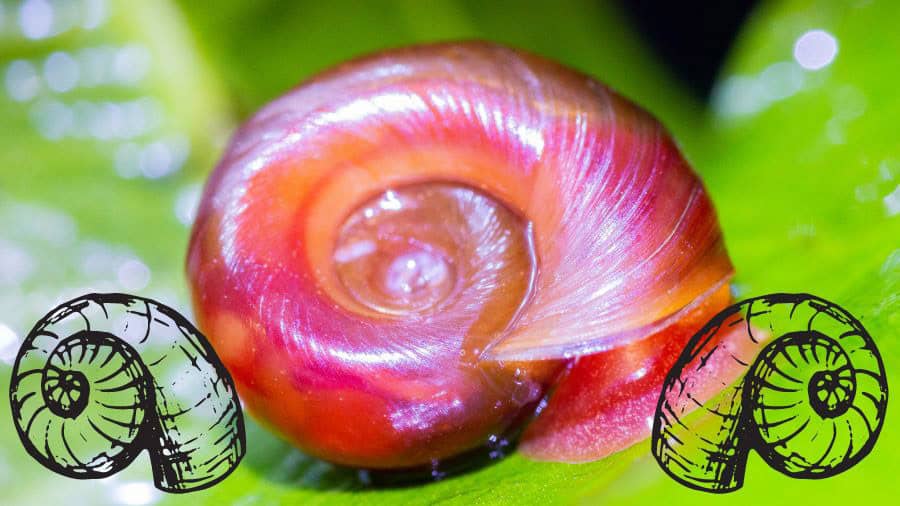
These small snails often arrive on plants. They graze on soft algae, biofilm, dead plant matter, and uneaten food. A sudden population rise usually means the aquarium is providing more food than the existing animals consume.
Control the food source before adding a predator. Feed less, remove leftovers and dying leaves, and move unwanted snails responsibly. Do not release them into a drain, pond, or natural waterway.
Malaysian Trumpet Snails
Malaysian Trumpet Snails spend much of their time in the substrate and emerge more often after dark. They give birth to live young and can build a large population without obvious egg clutches.
Their burrowing can turn the upper layer of a suitable substrate, but it does not replace cleaning. They are a poor choice if you do not want a reproducing population.
Assassin Snails
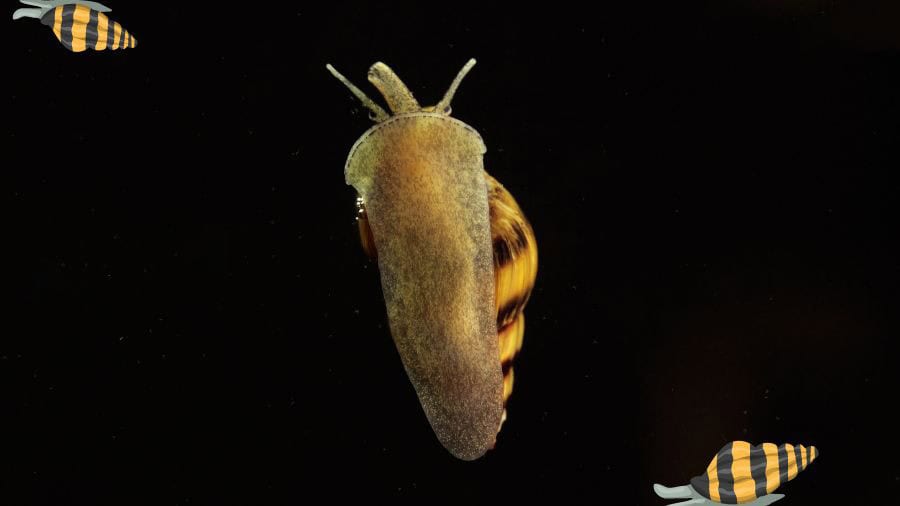
Assassin Snails are predators and may eat other snails. Do not place them in a display where the other snails are valued, and do not assume they will solve the cause of an unwanted population.
They still need appropriate food after the prey is gone. They may also reproduce, so research their long-term care before using them for population control.
Rabbit Snails
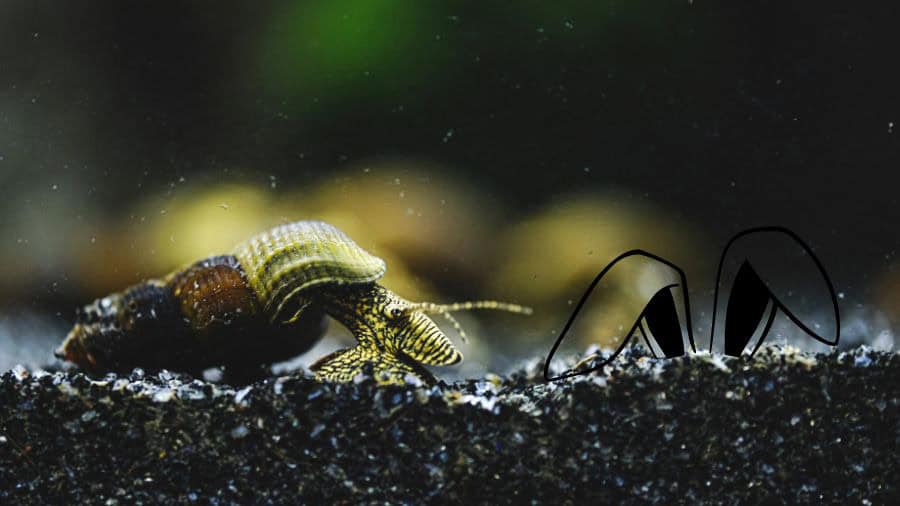
Rabbit Snails are larger, slow-reproducing snails from warm water. Different species and trade names can have different adult sizes and patterns. Check the scientific name, temperature, hardness, and adult size with the seller.
They may eat soft or damaged plants when food is limited. Give them a varied sinking diet and enough floor space instead of expecting the aquarium to feed them.
Why I Would Avoid Unidentified Apple Snails
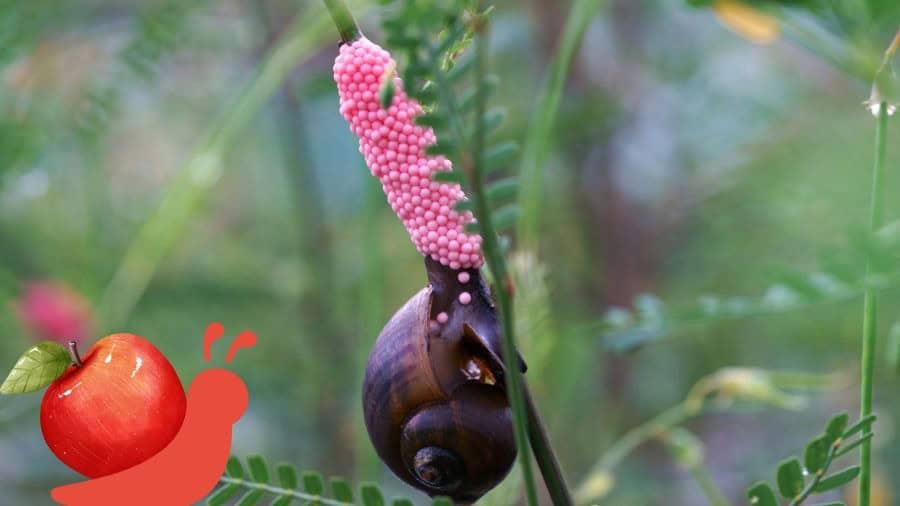
“Apple snail” is not a safe identification. Some Pomacea species become large, eat live plants, and are serious invasive pests. The USGS profile of the channeled applesnail describes its agricultural, ecological, and human-health impacts.
Buy only a correctly identified legal species from a responsible seller. Never move, breed, sell, or release an unidentified apple snail until the local rules and species are confirmed.
Substrate, Food, And Water
A bare-bottom aquarium does not automatically rule out snails, although burrowing species need a suitable smooth substrate. Every snail needs stable, cycled water and surfaces that do not cut the foot.
Offer a species-appropriate sinking food, algae wafer, or blanched vegetable in small amounts. Homemade Snello can be a supplemental food when the ingredients fit the species. Remove leftovers before they spoil.
Do not add cuttlebone, crushed coral, or mineral powder by habit. Test pH, GH, and KH first. If the water is too soft for the species, use an aquarium product with a measured dose and check the results.
Never use a copper treatment or any other medicine unless its label says it is safe for the exact invertebrate and dose. Salt and methylene blue are not universal substitutes. Move snails only when the treatment plan and separate water are safe.
Is The Snail Sleeping Or Dead?
A resting snail may stay still for hours, but a loose body, no response to gentle contact, and a strong rotten smell suggest death. Do not pull on the body or repeatedly remove a healthy snail for testing.
If you are unsure, place the snail briefly in a small container of its aquarium water where you can watch it without tank mates. Keep the water at the same temperature and never leave an aquatic snail dry. Remove a confirmed dead snail quickly and test ammonia and nitrite.

Home fish breeder sharing practical aquarium, egg-care, and fry-raising methods.
Related guides
Shrimp Tank Setup Essentials for Beginners
Plan a mature, stable shrimp aquarium with gentle filtration, tested species-specific water, safe cover, natural grazing surfaces, and careful acclimation.
Mystery Snail Laid Eggs: What to Do
Decide whether to hatch or remove a Mystery Snail egg clutch, then manage humidity, incubation, hatchlings, and the number of snails you can keep.
How Many Fish in a Small Tank? Simple Stocking Checks
Make a safer small-aquarium stocking choice using adult size, swimming room, group needs, behavior, waste, filtration, and water tests.