
Goldfish Tank Mates
See why goldfish with the same body and tail type are the safest match, which popular companions I would skip, and how to introduce livestock carefully.
Goldfish tank mates work best when they are goldfish with the same body and tail type. They share similar care needs and have a fair chance of reaching food at the same time.
The RSPCA advises against mixing single-tailed and twin-tailed goldfish because the slower fancy fish can miss out on food. Tropical community fish are not automatic companions either. Temperature, adult size, behavior, group needs, and disease risk must all match.
Goldfish Tank Mate Check At A Glance
- Safest match: Goldfish with the same general body shape, tail type, and swimming ability.
- Avoid: Fish small enough to be swallowed, fin nippers, strong competitors, and species with different water needs.
- Before adding: Check adult size, group size, temperature, water hardness, feeding style, and total waste load.
- Have a backup: Quarantine new livestock and keep a safe way to separate animals if the match fails.
Water Requirements
A proposed companion must share the goldfish’s safe temperature, pH, and hardness range. A heater is not the deciding factor by itself. Compare the full ranges for both species and keep the aquarium stable within their overlap.
Size Of Fish
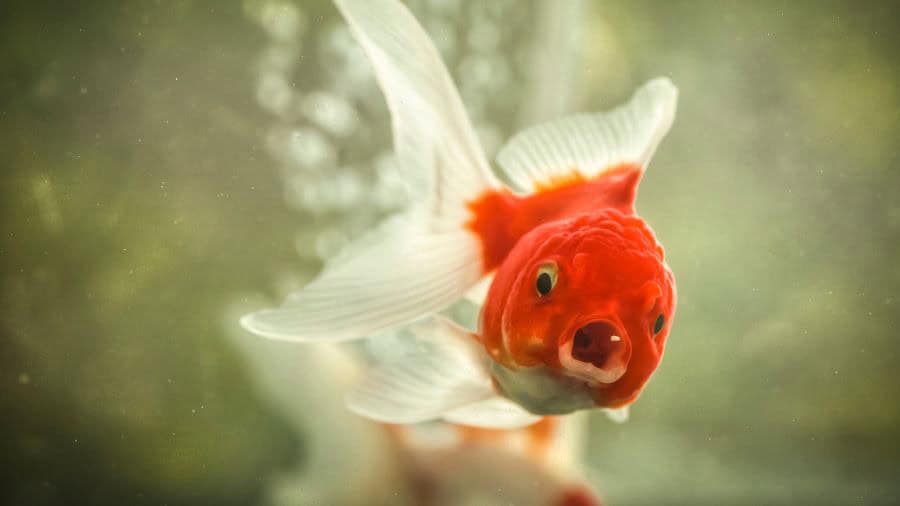
Size matters when adding fish to a goldfish aquarium. Anything that fits in a goldfish’s mouth may be swallowed, even if it is fast in open water.
Plan around the adult size of every animal. Do not rely on speed to protect small fish, and do not add a large companion that may injure or outcompete a slow fancy goldfish.
Temperament Of Fish
Goldfish and Fancy goldfish are known to be peaceful creatures that aren’t aggressive (maybe a little when it comes to food or spawning). So it is best to choose fish that aren’t aggressive, territorial, or faster swimmers than your current goldfish.
Which Fish Can Live With Goldfish
Which fish can live with goldfish is a short list. The safest goldfish companions are other goldfish with the same body shape, tail type, and swimming speed. They share cooler water, similar food, and a fair chance at each meal.
The RSPCA aquarium guidance treats goldfish as cool-water fish that usually live around 10 to 21 C / 50 to 70 F, while many tropical species, including guppies, need warmer water and a heater. Compatible fishes with goldfish must share that cooler range, adult size, and waste load. A fish that only looks peaceful is not enough.
Same-body goldfish still need space and strong filtration. Fancy fish belong with other fancies. Single-tailed Comets and Commons belong with other single-tails, not with slow twin-tails that lose the race to food.
Can Guppy Fish Live With Goldfish
Can guppy fish live with goldfish as a regular plan? No. Guppies are small tropical livebearers. Goldfish grow large enough to swallow them and prefer cooler water than guppies need for long-term health.
The same RSPCA page lists guppies at about 22 to 28 C / 72 to 82 F. A compromise temperature leaves one species too warm or the other too cool. Guppies also breed quickly, which adds more small fish a goldfish can eat and more waste for the filter.
Skip this mix even in a large tank. Keep guppies in a heated tropical aquarium with other small community fish. Keep goldfish with goldfish that match their body type.
Tropical Fish Versus Goldfish
Fish compatible with goldfish are rarely the tropical community species sold next to them in stores. Tropical fish need a stable heated range. Goldfish do better cooler, make more waste, and may eat anything that fits in the mouth.
Do not add tetras, rasboras, guppies, or other small schooling fish because they fill the upper water. Adult goldfish can still catch them. Do not add barbs or other nippers to keep a fancy goldfish active. Torn fins and missed meals are not enrichment.
If a seller lists a tropical fish as a good tank mate for goldfish, compare adult size, temperature, hardness, diet, and group needs yourself. When those numbers do not overlap, buy a second aquarium instead of forcing one display.
What Can Live With Goldfish
What can live with goldfish besides matching goldfish is limited. Skip shrimp and tiny snails that fit in a goldfish mouth. If you try a large snail, use the care notes later in this page and keep a backup tank ready.
Do not stock a cleanup crew as a substitute for water changes. Goldfish produce a heavy waste load. Plants must be tough enough to handle digging and grazing, and they still do not replace filtration.
Good tank mates for goldfish start with a cycled aquarium that already meets goldfish needs. Add livestock only after quarantine, then watch feeding and fins for at least two weeks.
The Most Reliable Options
Fancy goldfish with other fancy goldfish: Choose fish with a similar body shape, vision, and swimming ability. A Black Moor may still need more time to find food than a stronger Fantail, so watch every fish eat.
Single-tailed goldfish with other single-tailed goldfish: Comets and commons are active swimmers. They are better matched with each other than with slow fancy varieties, provided the setup can support their adult size and waste.
Large aquarium snails: A Mystery Snail may work in some goldfish tanks, but it is not risk-free. Goldfish may nip the tentacles or repeatedly steal its food. Confirm the snail’s species, water needs, and local rules, then be ready to move it. If you keep one, see the guides to Mystery Snail egg clutches and safe supplemental Snello.
Options I Would Skip
White Cloud Mountain Minnows, danios, and other small schooling fish: They may fit in a young goldfish tank, but adult goldfish may swallow them. The school also adds a separate space and stocking requirement.
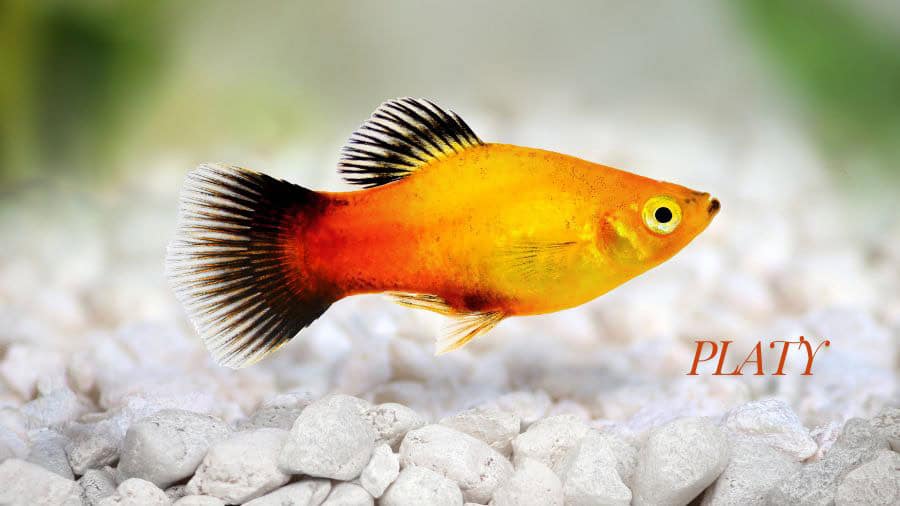
Platies and other tropical livebearers: Their preferred water and temperature may not match the individual goldfish setup, and their numbers can rise quickly.
Barbs: Active or fin-nipping behavior can stress slow fancy goldfish and damage long fins.
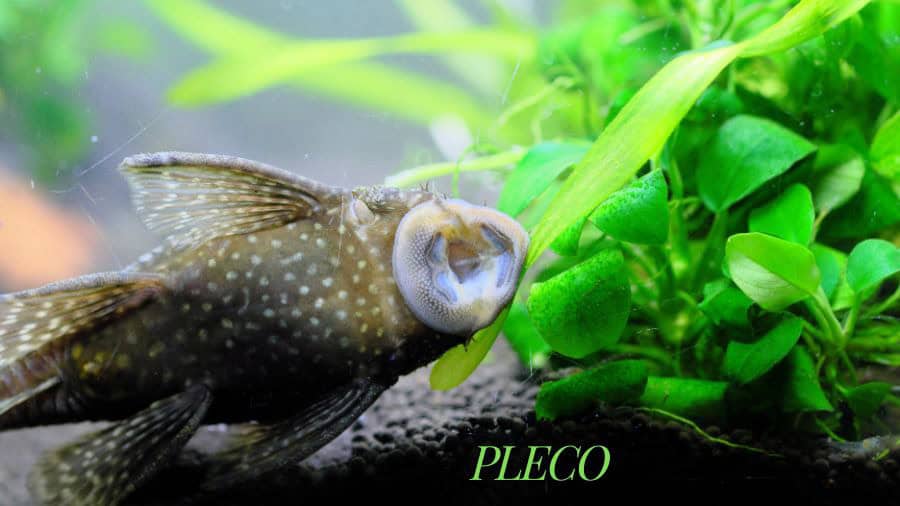
Plecos and loaches: Adult size, feeding behavior, group needs, activity, and species-specific water ranges make them poor general recommendations. Some sucker-mouth catfish may also attach to a slow goldfish.
A temporary match is not a good stocking plan. If a species will need a different tank as it grows, prepare that separate home before buying it.
Introduce A New Tank Mate Carefully
Quarantine new livestock when possible. Confirm that the established filter can support the added waste, and test ammonia and nitrite after the introduction. Feed in more than one location and watch that every animal eats.
Separate the animals if you see repeated chasing, torn fins, hiding, missed meals, clamped fins, or a snail that stays closed. Compatibility is an ongoing observation, not a guarantee from a species list.

Home fish breeder sharing practical aquarium, egg-care, and fry-raising methods.
Related guides
Best Substrate for Goldfish: Safer Tank Options
Compare fine sand, smooth gravel, bare-bottom tanks, and larger stones by mouth safety, cleaning effort, plant support, and foraging behavior.
Comet vs Common Goldfish: Differences and Care
When I’m unsure, I check tail shape first, then fin length and body shape. Here’s the quick way I separate comets from commons.
How Many Fish in a Small Tank? Simple Stocking Checks
Make a safer small-aquarium stocking choice using adult size, swimming room, group needs, behavior, waste, filtration, and water tests.